
Do You Need a Will — And Is It Enough?
A will is often the first step in estate planning. But most people aren't sure what it actually does, what it doesn't do, and whether it's enough for their situation.
The easiest way to get clarity is to talk it through.
You can start with a free 30-minute planning call with our estate planning team. We'll walk you through how wills work, how they fit into a full estate plan, and what makes sense based on your situation. There's no pressure to move forward. The goal is simply to help you understand your options and what the next step should be.
15+
Years Experience
4.9★
Google Rating
Super Lawyers
Rising Stars 2019-2025
Georgia
Focused Practice
What a Will Actually Does
A will is a legal document that puts your instructions in writing.
It allows you to decide where your assets go, name the person responsible for handling your estate, and make sure your wishes are clearly documented.
For many people, this brings a level of structure and clarity that isn’t there otherwise.
But a will is only one piece of the full picture.
Understanding Your Options
Decide who receives your assets
You choose who inherits what — not the state. Your wishes are put in writing and legally documented.
Name the person responsible
Designate a trusted person to manage your estate and carry out your instructions after you pass.
Clearly document your wishes
Leave no room for guesswork. A will provides your family with clear, legally enforceable guidance.
Where a Will Has Limits
This is where most people get surprised.
A will does not avoid probate completely. In most cases, it still goes through the court process, which can take time and add complexity.
Some assets may not even be controlled by the will, depending on how they are titled.
That doesn't mean a will is the wrong choice. It just means it should be looked at in the context of a complete plan, not as a standalone solution.
When a Will Makes Sense
For many people, a will is a practical starting point.
It makes sense if you want to put clear instructions in place, document your wishes, and create a basic legal framework for your estate.
Some people stop there. Others build on it with additional planning, depending on their assets and goals.
The key is understanding what fits your situation, not guessing.
How the Process Works
Many people assume estate planning is complicated. We keep the process simple.

Schedule Your Free Planning Call
Book a free 30-minute call with our team. No obligation. This is the best place to start if you are considering creating or updating an estate plan.

Discuss Your Goals
We explain how estate planning works, discuss your goals and assets, answer your questions, and help you decide whether to move forward.

Design Your Plan
In a dedicated design meeting, your attorney structures your estate plan — choosing the right tools like wills, trusts, and powers of attorney for your situation.

Review Your Documents
We prepare your legal documents and walk you through each one so you fully understand what you are signing and why.

Sign Your Estate Plan
Your signing appointment makes everything official. Most are done in person at our Atlanta office. Your plan is complete and your family is protected.
Will vs. Trust — What's the Difference?
Wills and trusts are often compared, but they serve different roles. Many estate plans include both. The right approach depends on what you want your plan to accomplish.
A Will
A will takes effect after death and usually goes through probate. It outlines your instructions and names the people responsible for carrying them out.
For many people, a will is a practical starting point — straightforward to create and a clear way to document your wishes.
A Trust
A trust can take effect during your lifetime and may reduce or avoid probate, depending on how it's set up.
It can also provide more control over how assets are managed and distributed — and is often paired with a will as part of a complete plan.
Meet Your Attorney
Sarah Siedentopf: Your Strategic Partner in Trust Creation & Estate Planning
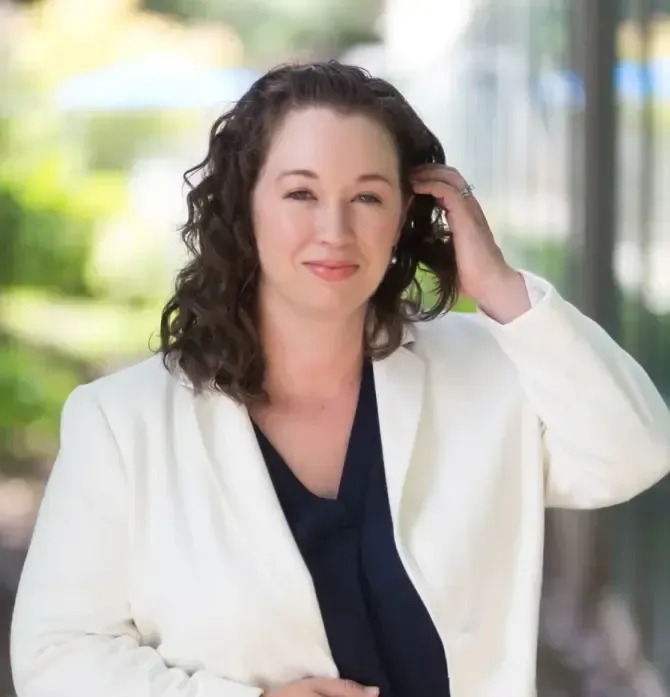
With 15 years of legal experience and over 13 years serving Georgia families, Sarah Siedentopf has become a trusted choice for families seeking to secure their legacies. Sarah brings deep expertise in estate planning and dedicated focus to every client relationship.
Unlike firms that offer generic solutions, Sarah takes a fiduciary approach—creating customized strategies tailored to your unique family dynamics, asset structure, and long-term goals. Her approach ensures you receive personalized guidance, not a one-size-fits-all approach.
Super Lawyers Rising Stars
2019-2025
Lead Counsel Verified
Since 2018
Licensed
Since 2009
UT College of Law
Juris Doctor
Client Stories
Trusted by Georgia Families
Professionalism

"Our experience at Siedentopf Law was exceptional. Sarah and her team understood our desire to make it easier on our children and family and helped us get the right documents in place. It was a very professional experience and the edits we asked for were done as well as additions that we had not even thought of. My wife and I highly recommend Sarah and her team!!"
Owen K.
Georgia
Compassion
"Sarah and her staff are professional, courteous, and compassioínate. It's not easy to discuss estate planning. But Sarah has a way of making her clients feel at ease. She also takes it to heart to make sure she answers her client's questions thoroughly and that they understand her answers and the documents they are signing. I would not hesitate to recommend Sarah for estate planning."
Maria M.
Georgia
Ease of Process
"We had an outstanding experience with Sarah's law firm! We had some confusing things to talk through and Sarah had all of the experience, answers, and guidance to help us. Gave us a lot of comfort, knowing we have thought through probate and tax implications in our estate planning to set our very young kids up for success. Highly highly recommend!"
Kim S.
Georgia
Wills Questions
Frequently Asked Questions About Wills in Georgia
What is a living will in Georgia?
A living will (also called an advance healthcare directive) is a legal document that specifies your medical treatment preferences if you become incapacitated and cannot communicate. It covers decisions like life support, feeding tubes, and pain management. In Georgia, a living will must be signed by you and witnessed by two competent adults who are not beneficiaries of your estate.
What's the difference between a living will and power of attorney?
A living will documents your specific healthcare wishes for end-of-life situations, while a power of attorney designates a person to make decisions on your behalf. A healthcare power of attorney allows someone to make medical decisions for you, and a financial power of attorney authorizes someone to manage your finances. Most comprehensive estate plans include all three documents.
Where can I find a will lawyer near me in Atlanta?
Siedentopf Law serves families throughout Metro Atlanta including Fulton, Cobb, Gwinnett, DeKalb, and Cherokee counties. Our office provides comprehensive will drafting services including last wills, living wills, and power of attorney documents. We offer free discovery calls to discuss your specific needs.
Do I need a lawyer to create a will in Georgia?
While Georgia law doesn't require an attorney to create a will, having one ensures your will meets all legal requirements and truly reflects your wishes. DIY wills often contain errors in execution, witness requirements, or unclear language that can lead to costly legal battles or an invalid will.
Do I need a power of attorney with my will?
While Georgia law doesn't require an attorney to create a will, having one ensures your will meets all legal requirements and truly reflects your wishes. DIY wills often contain errors in execution, witness requirements, or unclear language that can lead to costly legal battles or an invalid will.
How do I choose a guardian for my children?
Consider someone who shares your values, has a stable living situation, is willing and able to take on the responsibility, and lives in a location that works for your family. We recommend naming both a primary and alternate guardian. During your discovery call, we'll discuss the factors that matter most for your specific situation.
What happens if I die without a will in Georgia?
If you die 'intestate' (without a will) in Georgia, state law determines how your assets are distributed—typically to your spouse and children in specific proportions. The court appoints an administrator for your estate and, if you have minor children, decides who becomes their guardian. This process is often slower, more expensive, and may not match your wishes.
What happens if I die without a will in Georgia?
If you die 'intestate' (without a will) in Georgia, state law determines how your assets are distributed—typically to your spouse and children in specific proportions. The court appoints an administrator for your estate and, if you have minor children, decides who becomes their guardian. This process is often slower, more expensive, and may not match your wishes.
What makes a will valid in Georgia?
Georgia requires the testator (person making the will) to be at least 14 years old and of sound mind. The will must be in writing, signed by the testator, and witnessed by at least two competent witnesses who are not beneficiaries. We also recommend having the will notarized with a self-proving affidavit to simplify probate.
Can I write my own will in Georgia?
Georgia does not recognize handwritten (holographic) wills unless they meet all formal requirements including proper witnessing. Self-drafted wills often fail to meet legal standards or contain ambiguous language that creates problems during probate. An attorney-drafted will provides peace of mind that your wishes will be honored.
What is a pour-over will?
A pour-over will works alongside a trust to 'catch' any assets that weren't transferred into your trust during your lifetime. Upon death, these assets 'pour over' into the trust and are distributed according to trust terms. This provides a safety net ensuring all assets are handled according to your comprehensive estate plan.
Ready to Plan Your Legacy?
Schedule your free planning call today